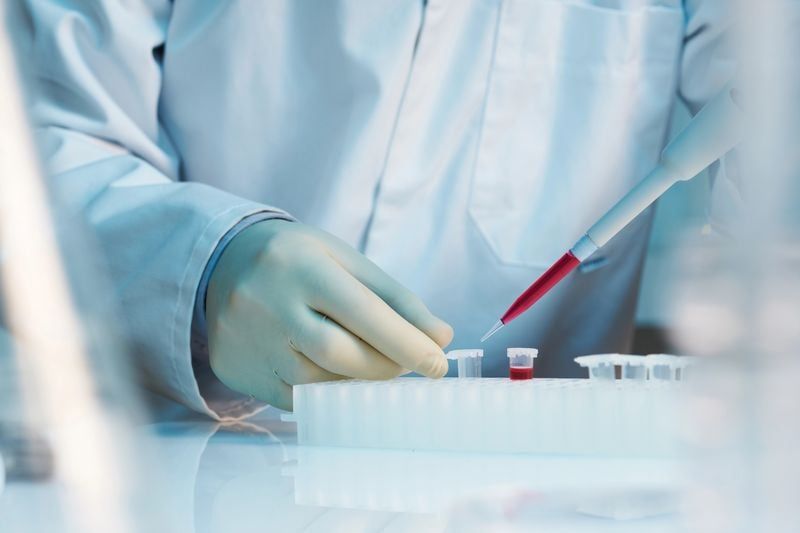

In the ever-evolving landscape of health science, one term has captured the attention of researchers, clinicians, and patients alike: rehealth stem cells. As breakthroughs in regenerative medicine continue to accelerate, rehealth stem cells are emerging as a beacon of hope for those seeking cutting-edge solutions to complex health challenges. In this in-depth exploration, we’ll uncover what rehealth stem cells are, how they work, and why they are becoming a pivotal part of modern therapeutic strategies.
Understanding the Basics: What Are Stem Cells?
Before diving into the specific world of rehealth stem cells, it’s essential to grasp the foundation of stem cell science. Stem cells are a unique class of cells capable of self-renewal and differentiation. Unlike most cells in the body, which have clearly defined roles (such as muscle cells or nerve cells), stem cells have the remarkable ability to transform into many different types of cells as needed.
This versatility allows stem cells to play a crucial role in growth, repair, and maintenance throughout life. Traditional medicine has long utilized this potential, particularly in bone marrow transplants for blood disorders. Today, advances in technology and clinical research are broadening the possibilities even further.
What Sets Rehealth Stem Cells Apart?
Rehealth stem cells represent a new frontier in regenerative therapies. While many stem cell treatments focus on addressing singular conditions or symptoms, rehealth stem cells are designed to engage the body’s natural healing mechanisms in a holistic and comprehensive way. By supporting cellular repair across multiple systems, these therapies aim to improve quality of life at its most fundamental level.
Unlike conventional approaches that may only target symptom relief, rehealth stem cells focus on root-cause regeneration. Whether applied to musculoskeletal, neurological, cardiovascular, or immune-related issues, the objective remains the same: empower the body to restore itself more effectively and sustainably.
How Rehealth Stem Cells Work
At the heart of rehealth stem cells lies their multifaceted mechanism of action. When introduced into the body, these cells can:
Promote Cellular Renewal: Rehealth stem cells help replace damaged or diseased cells with new, healthy ones.
Modulate Immune Responses: They can influence immune activity, supporting balanced inflammation and enhancing recovery.
Stimulate Growth Factors: These cells release beneficial signaling proteins that encourage the body’s native healing processes.
Support Tissue Regeneration: Whether in joints, organs, or nervous tissue, rehealth stem cells can foster structural repair and functional restoration.
This combination of effects makes them particularly powerful as a therapeutic option where conventional medicine reaches its limits.
Conditions That May Benefit from Rehealth Stem Cells
The therapeutic potential of rehealth stem cells spans a wide spectrum of health concerns. Some areas where promising results have been observed include:
1. Orthopedic and Joint Health
Joint pain, cartilage deterioration, and tendon injuries are frequent issues for athletes, aging individuals, and anyone dealing with wear and tear. Rehealth stem cells may encourage regeneration of damaged tissues, reduce inflammation, and support improved mobility.
2. Neurological Support
Conditions such as spinal cord injuries, stroke-related damage, and certain neurodegenerative diseases have long posed challenges for traditional treatments. Research suggests that stem cell therapies could play a role in promoting neural repair and protecting existing nerve cells from further degeneration.
3. Cardiovascular Improvement
Heart disease remains a leading cause of disability worldwide. In some studies, stem cell therapies have been investigated for their potential to regenerate cardiac tissue and improve heart function following injury.
4. Immune System Optimization
Autoimmune disorders and chronic inflammation can have devastating effects on overall health. By modulating immune responses and supporting balanced immune regulation, rehealth stem cells may offer new avenues for long-term well-being.
5. Dermatological and Anti-Aging Advances
From skin rejuvenation to repair of deeper tissue damage, the regenerative power of stem cells has captured interest in the field of dermatology. Rehealth stem cells may help improve tissue elasticity, restore vitality, and support overall skin health.
What to Expect in a Rehealth Stem Cell Treatment
Receiving a rehealth stem cell therapy typically begins with a thorough assessment. Medical professionals evaluate medical history, current health status, and specific goals to determine the most suitable plan. The treatment process itself may vary depending on the condition being addressed, but it often involves a minimally invasive procedure under sterile conditions.
Patients may receive stem cell injections directly into damaged areas such as joints, tissues, or spinal fluid. Follow-up care and monitoring ensure optimal outcomes and help track progress over weeks and months after treatment.
Safety and Scientific Integrity
One of the most critical factors in stem cell therapy is ensuring safety and scientific credibility. Legitimate therapies such as rehealth stem cells rely on rigorous protocols, ethical sourcing, and evidence-based practices. Prospective patients should always seek care from qualified professionals at recognized facilities.
While stem cell science continues to evolve, treatments offered through reputable sources are developed through extensive research and clinical review. This ensures a focus on patient safety, measurable outcomes, and ongoing evaluation of efficacy.
The Future of Rehealth Stem Cells
The potential applications of rehealth stem cells extend far beyond what we can imagine today. Scientific advancements are continuously opening new doors, and research is exploring innovative ways to harness these cells more effectively. With ongoing clinical trials and new discoveries emerging, the promise of regenerative medicine continues to expand.
As more data becomes available and technologies improve, the role of rehealth stem cells in mainstream medicine is expected to grow. Eventually, these therapies could become commonplace for conditions that once had limited solutions.
Why Patients Are Choosing Rehealth Stem Cells
Individuals exploring regenerative options often seek alternatives that offer long-lasting improvements rather than temporary relief. Rehealth stem cells appeal to patients for several reasons:
Holistic Regeneration: A focus on repairing underlying damage rather than masking symptoms.
Reduced Need for Surgery: In some cases, stem cell therapies may reduce the need for invasive procedures.
Improved Quality of Life: Better mobility, reduced pain, and enhanced function contribute to overall well-being.
Personalized Treatment Plans: Tailored approaches based on individual health status and goals.
For those seeking a progressive approach to wellness and recovery, rehealth stem cells represent a compelling option backed by scientific curiosity and real-world results.
Learn More and Stay Informed
If you’re interested in exploring how rehealth stem cells could impact your health journey, visit https://rehealth.com/
for authoritative information, patient resources, and insights from medical professionals. Staying informed and asking questions is the first step toward making empowered decisions about regenerative therapies.